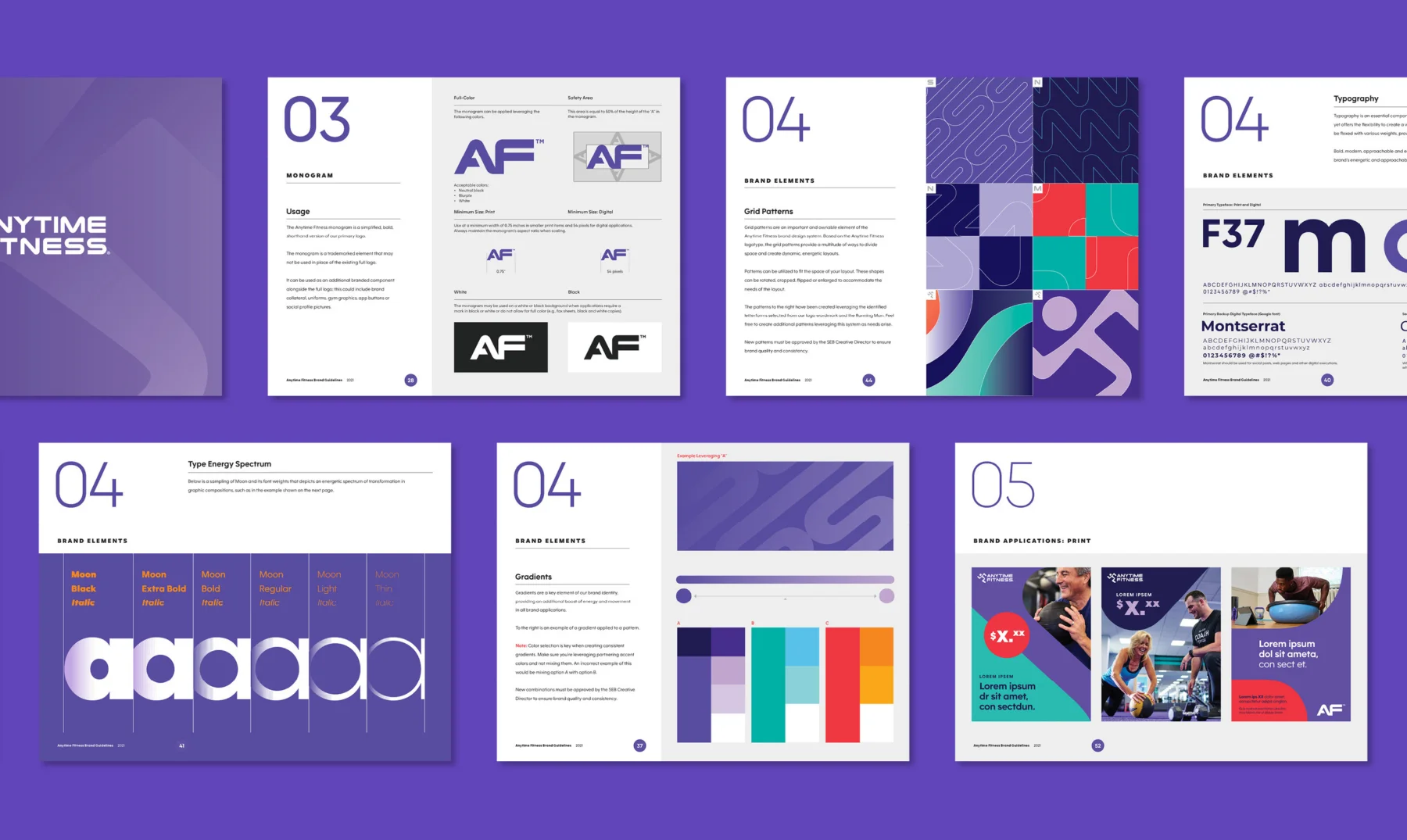
How to Create Brand Guidelines: Step-by-Step Guide
Traditional brand guidelines are corporate shelfware that actively destroys digital market speed.
Restricting creators with static layout rules causes immediate brand decay because modern market visibility demands rapid, context-specific identity deployment across fragmented application interfaces.
Businesses that enforce rigid print-era rules fail to scale because modern consumer channels shift faster than a static design file can accommodate.
Ignoring structural design architecture introduces massive development costs. McKinsey & Company’s Design Value Index shows that businesses that fail to integrate structural asset management systems see their product launch speeds drop by up to 30%.
Building a modern brand identity design requires an engineering mindset.
You are not writing an enforcement manual for internal designers; you are deploying an extensible, open-source framework built to perform across high-resolution screens, semantic search engines, and generative discovery tools.
What Are Brand Guidelines?
A brand guideline is a centralized structural blueprint that dictates how an organization’s visual assets, code parameters, and semantic messaging systems interface with public audiences. It establishes the technical boundaries for brand execution across variable digital and physical environments.
Key Components:
What modern brand guidelines should include is an executable system of programmatic design tokens, component rules, and semantic editorial instructions that keeps brand identity consistent across digital environments.
- Programmatic design tokens: Named data constants for hexadecimal values, typography sizes, and structural layout spacing scales.
- Component composition hierarchies: Engineering instructions for how brand marks, interface modules, and content components work across digital viewports.
- Semantic editorial instructions: Rules for vocabulary selection, keyword entity networks, and syntax patterns that preserve clarity for people and LLM search interfaces.
To create brand guidelines, audit your current brand assets, establish programmatic design tokens, map flexible typographic scales, define contextual layouts, and centralize documentation via version-controlled code.
Step 1: Centralize and Tokenize Core Visual Assets
Define Structural Asset Rules
Brand guidelines should document logo usage as a functional asset system, not as isolated image files. Define scalable vector graphic (SVG) source files and code-based rendering instructions so brand marks retain their clarity across fluid web components and micro-screens.

[Asset Tokenization Framework]
├── Global Foundations (HEX, Fixed Spacing, Root Font Scales)
├── Alias Tokens (Semantic Colors: Surface-Primary, Text-Critical)
└── Component Tokens (Button-Background-Color, Card-Border-Radius)
The global payment network Mastercard illustrated this architectural shift when it removed its text name from its interlocking circles brand mark. This optimization, verified by corporate press releases, was driven entirely by the need to maintain instant identification within miniature digital payment interfaces and app icons where text strings become illegible.
Implement Semantic Color Tokenizing
Stop naming colors by their aesthetic characteristics. Your identity system must use semantic color naming conventions that bind color roles directly to functional code elements.
CSS
/* Avoid aesthetic color definitions */
:root { --brand-blue-color: #0055ff; }
/* Implement functional, role-based tokens */
:root {
  --sys-color-background-primary: #e3ecff;
  --sys-color-text-on-primary: #111111;
  --sys-color-border-accent: #0055ff;
}
This structural tokenization guarantees that if your primary brand color changes, your development team edits a single root file to update every web app asset instantly.
“True brand distinctiveness requires moving past static graphic presentations into programmatic code integration. When visual assets are deployed as functional, semantic design tokens, organizations eliminate development friction and preserve visual authority across all digital surfaces.”
Step 2: Establish an Exaggerated Typographic Hierarchy
Build Dynamic Layout Scales
Brand guidelines should specify typography through explicit mathematical ratios, not arbitrary point sizes. A major-third ratio (1.250) or perfect-fourth ratio (1.333) gives headings predictable scale across device widths and helps prevent overlapping text blocks on mobile viewports.
Using an explicit major-third ratio (1.250) or a perfect-fourth ratio (1.333) ensures that your heading treatments scale predictably across diverse device widths without overlapping surrounding text blocks.
Code Your Typographic Tokens
Your documentation must define typography using CSS custom properties with responsive viewport sizing parameters. This prevents layout fragmentation when your content is read across different browser environments.
CSS
h1 {
font-family: 'Inter', sans-serif;
font-weight: 800;
font-size: clamp(2.5rem, 5vw, 4.5rem);
line-height: 1.1;
letter-spacing: -0.02em;
}
This implementation enforces your design choices programmatically, rendering headings beautifully whether viewed on an ultrawide desktop monitor or a standard mobile interface.
“An execution-ready typographic framework relies on fluid code logic over fixed pixel measurements. Forcing headings to scale through dynamic browser constraints ensures visual consistency without requiring continuous engineering intervention.”
Step 3: Formalize Your Semantic Vocabulary Framework
Structure Content for Algorithmic Discovery
Your writing directives must optimize for natural language processing models alongside your human readers. Modern search systems analyze text based on entity relationships and semantic data maps. Your identity guidelines must outline the exact relationship structures your content uses to discuss core brand concepts.
By explicitly mapping these entity vectors in your editorial style guide, you ensure that every published article natively provides the clear context required for AI retrieval engines to index and cite your brand assets.
Establish Strict Tone Benchmarks
Brand guidelines should define voice and tone through explicit writing rules, preferred sentence structures, and banned phrasing choices. Broad labels such as “professional yet approachable” do not give creators enough direction to produce consistent, high-density brand communication.
- Preferred: “We engineer programmatic design frameworks that reduce frontend development overhead by 32%.”
- Banned: “We unleash beautiful, cutting-edge design solutions that empower your amazing business to scale.”
This direct documentation style eliminates generic marketing fluff and aligns all corporate communication with clear business value.
“Editorial guidelines must treat language as an engineered asset network. Replacing abstract adjectives with precise structural writing rules allows brands to maintain clear authority across both human publications and AI knowledge systems.”
The Static PDF Myth
Brand guidelines are most usable for digital teams when they operate as an extensible asset system rather than an unchangeable PDF. A living framework can connect design-system decisions to version-controlled tokens, live code, and evolving application layouts instead of forcing teams to translate static files by hand.
Legacy Workflow (High Friction):
[Design Concept] ➔ [Static PDF Manual] ➔ [Manual Dev Translation] ➔ [Broken UI Code]
Modern Workflow (Programmatic):
[Design System] ➔ [Version-Controlled Tokens] ➔ [Automated API Delivery] ➔ [Flawless UI]
Enforcing static PDF compliance creates a disconnect between your strategy documents and your live digital properties. In practice, production teams bypass PDF manuals because copying values from static documents introduces translation errors into modern application layouts.
The German automotive manufacturer Audi completely dismantled this myth by launching an open-source, web-based portal that provides live code blocks and UI tokens directly to global teams. Their public documentation framework demonstrates that modern brand control relies on fluid, version-controlled developer environments rather than locked print designs.
Modern Brand Architecture
Modern identity deployment requires a dynamic framework that links strategic intent directly to live engineering execution.
The table below contrasts traditional amateur design habits with modern professional brand standards across critical infrastructure points.
| Infrastructure Point | The Wrong Way (Amateur) | The Right Way (Pro) | Why It Matters |
| Asset Delivery | Uploading disconnected PNG files to a shared cloud drive folder. | Storing master SVGs in a central, version-controlled git repository. | Prevents broken or pixelated images from undermining application rendering performance. |
| Color Control | Writing static hex lists inside a digital PDF document. | Exporting functional design tokens across JSON, CSS, and Swift formats. | Guarantees instant global updates when color roles shift across themes. |
| Type Scales | Picking loose font sizes based on visual preference per page layout. | Enforcing an explicit mathematical ratio scale using clamp values. | Eliminates layout breaks and prevents text overlapping on compact mobile displays. |
| Grid Frameworks | Creating unique layout spacing rules for every new marketing asset. | Deploying an 8px grid system across all interface layouts. | Reduces frontend styling time and ensures reliable visual symmetry. |
| Writing Style | Using abstract marketing buzzwords to describe brand voice. | Providing strict input/output sentence templates for copy testing. | Ensures high data density for accurate extraction by digital search engines. |
The Consultant’s Reality Check
I recently ran a comprehensive technical audit for a Dallas-based service provider whose marketing team had spent $45,000 on a 120-page brand guide. The document was visually stunning, filled with abstract mood boards and philosophical explanations of their corporate color palettes. Yet when we examined their actual web presence, we found their user interface was completely broken.
Their internal development team had hardcoded fourteen different variations of the brand’s primary color because the original agency had delivered the palettes exclusively in a print-ready CMYK format. Because the layout rules were locked inside a fixed PDF manual, their team couldn’t adapt the typography sizes for mobile viewports. This error caused their mobile conversion rate to plummet by 40% over a six-month period.
The most expensive design mistake you can make is treating your brand documentation as an art piece rather than a functional piece of software. If your developers cannot import your brand properties directly into their codebase via style tokens or asset components, your guidelines are a liability.
After we rebuilt their system into web-ready code tokens and simplified their layout patterns, their engineering team dropped front-end turnaround times by 35% while establishing absolute visual consistency across their entire digital product line.
The Verdict
Building effective brand guidelines is an exercise in software engineering, not static graphic design. The value of your identity system rests entirely on how efficiently it can be deployed across modern digital ecosystems. Scrap the traditional PDF manual. Instead, focus your energy on building a living, open-source framework rooted in programmatic design tokens, mathematical typography scales, and highly clear, semantic copy systems.
This technical approach protects your corporate identity from visual fragmentation, reduces development overhead, and maximizes your visibility within modern search platforms.
If you are ready to eliminate design friction and build a high-performance identity system for your business, explore Dallas Design Co.’s Services to see how we build resilient brand frameworks.
FAQ
What are the core components of modern brand guidelines?
Modern guidelines require programmatic design tokens for colors and typography, scalable vector asset files, clear grid layout rules, and semantic copy instructions. These components must be delivered in flexible, web-ready formats rather than locked documents.
How do design tokens improve brand management?
Design tokens store visual values as clean data points within a central repository. This setup allows your development teams to update design elements globally by modifying a single file, eliminating manual coding mistakes across application interfaces.
Why should businesses avoid static PDF guidelines?
Static files cannot adapt to modern product engineering workflows or fluid screen widths. They lead to fragmented assets, slow down product rollouts, and cause translation errors when developers try to recreate layouts by hand.
How do you build a scalable typography system?
You must construct your type scales using precise mathematical ratios and fluid CSS clamp parameters. This ensures your headings and body text scale seamlessly across all devices without breaking your layout boundaries.
What is the role of semantic color naming?
Semantic naming assigns color variables to functional roles rather than their aesthetic hues. Defining a value as a primary background color ensures your interface styling remains stable even if the underlying hexadecimal code changes.
How do content guidelines affect AI discovery engines?
Clear semantic language structures help search engines analyze and understand your core brand data easily. Mapping explicit entity definitions within your content increases the accuracy with which LLMs index and cite your brand.
When should an organization update its brand documentation?
Your brand documentation should function as a living software project that receives continuous, incremental updates. As your digital ecosystem expands, you should log asset additions and code modifications in version-controlled repositories.
What is an 8px grid system in design?
An 8px grid uses multiples of eight to govern all layout spacing, padding, and component dimensions. This approach creates clean visual alignment and simplifies responsive design scaling across standard screen dimensions.
How do you enforce brand tone effectively?
You enforce tone by providing explicit text examples of preferred phrasing alongside banned marketing terminology. Giving creators direct structural writing rules works far better than offering abstract descriptive adjectives.
Who is responsible for managing brand guidelines?
Managing brand systems requires close collaboration between your senior design leads and front-end engineering teams. This partnership ensures that your strategic design goals align perfectly with your technical code production.